Substance Use Disorder is a condition that occurs when the repeated use of alcohol, drugs, or other substances leads to health problems and difficulty controlling consumption. This condition can affect physical health, emotional well-being, relationships, and daily responsibilities.
Substance Use Disorder is a medical condition in which an individual becomes dependent on substances such as alcohol, prescription medications, or illegal drugs. Over time, substance use can change brain function and lead to cravings, loss of control, and continued use despite negative consequences.
This condition can affect many aspects of life including physical health, mental health, relationships, and work performance. Without proper treatment, substance use disorder can worsen and create serious health risks.
Professional treatment helps individuals understand the underlying causes of addiction and develop strategies to regain control of their lives.
Comprehensive care designed to support individuals on their journey toward recovery and long-term sobriety.
Treatment that addresses emotional and psychological factors that may contribute to substance use.
Each patient receives an individualized treatment plan based on their unique challenges and recovery goals.
Regular follow-ups and support help patients maintain progress and prevent relapse.
Dependence on alcohol that leads to difficulty controlling drinking and negative health or social consequences.
Improper use of prescription medications such as pain relievers or sedatives that can lead to dependency.
Dependence on substances such as opioids, stimulants, or other drugs that alter brain function and behavior.
In some cases, individuals may develop patterns of behavior associated with substance use that are difficult to control.
All our professionals are certifiedd officers it experienced, deeply committ to ethical, mentaly personalized.
Your privacy is our top priority. Every hass is session is fully secure and judgment-its freel, mentaly personalized.
Online or in-person sessions available to gei suit your schedule — anytime, this ilearn anywhere.mentaly personalized.
Substance use disorder affects the brain’s reward system and decision-making processes. Over time, repeated substance use can change how the brain functions, making it more difficult for individuals to stop using without professional support.
Addiction can impact both physical and mental health and may be associated with conditions such as anxiety, depression, or trauma.
Early diagnosis and treatment are important in helping individuals regain control and begin the recovery process.
Treatment for substance use disorder focuses on helping individuals overcome dependency and develop healthier coping strategies. Treatment plans may include counseling, behavioral therapy, lifestyle changes, and medication management when appropriate.
The goal of treatment is to support long-term recovery, prevent relapse, and improve overall mental and physical health.
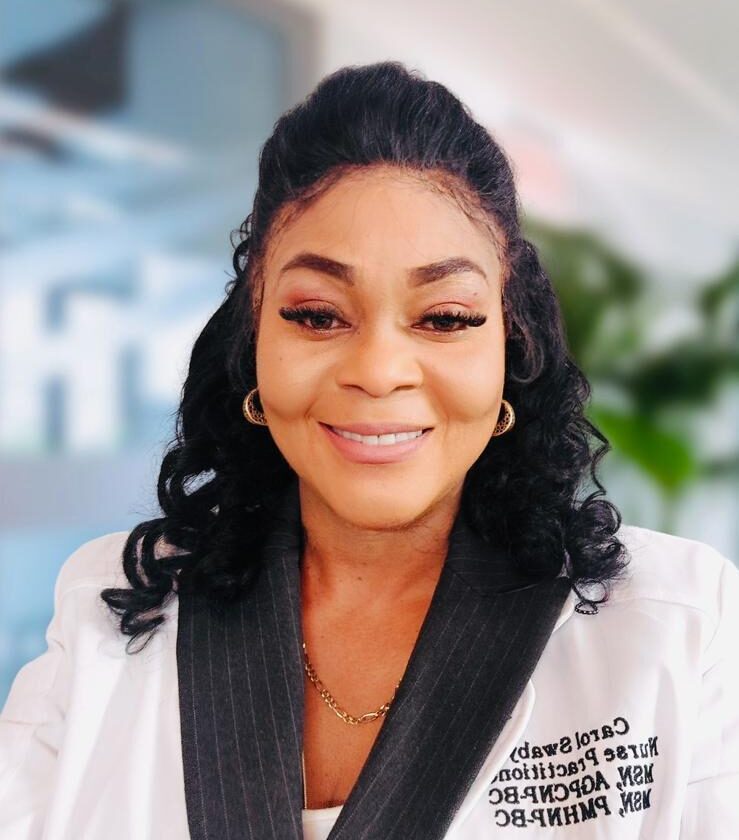
Clinical Psychologist
Dr. Carol Swaby provides compassionate and non-judgmental care for individuals struggling with substance use disorder. Each patient receives a comprehensive evaluation to understand their unique challenges, triggers, and recovery goals.
Based on this evaluation, personalized treatment plans are created to support long-term recovery and emotional well-being.
Cognitive Behavioral Therapy helps individuals identify negative thought patterns and behaviors that contribute to substance use. Patients learn healthier coping strategies and develop skills to manage cravings and stress.
Talk therapy provides a supportive environment where patients can discuss emotional challenges and develop practical strategies for maintaining recovery.
One morning, when Gregor Samsa woke will from troubled dreams, he found il himself brown geting questions your.
Substance use disorder is a condition where repeated use of drugs or alcohol leads to physical dependence and difficulty controlling consumption.
Substance use disorder may develop due to a combination of genetic, psychological, and environmental factors such as stress, trauma, or mental health conditions.
Yes. With professional treatment, therapy, and ongoing support, many individuals successfully recover and maintain long-term sobriety.
Online consultations allow individuals to receive professional support and guidance while maintaining privacy and convenience.
Treatment can begin by scheduling an online consultation where symptoms and challenges are evaluated to create a personalized recovery plan.