Eating Disorder Treatment

Eating disorders are serious mental health conditions that affect a person’s relationship with food, body image, and emotional well-being. Individuals experiencing eating disorders may struggle with unhealthy eating patterns, extreme dieting, or emotional distress related to food and body weight.

WHAT IS AN EATING DISORDER

An eating disorder is a mental health condition that involves unhealthy patterns of eating and a distorted perception of body image. These disorders can affect both physical health and emotional well-being.

Individuals with eating disorders may experience intense concerns about body weight, appearance, or food intake. These behaviors may develop as a response to emotional stress, anxiety, trauma, or other mental health challenges.

Professional treatment can help individuals address the psychological factors behind eating disorders and develop healthier habits and coping strategies

01
Emotional Eating Support

Treatment focuses on helping individuals understand emotional triggers that influence unhealthy eating behaviors.

02
Healthy Relationship With Food

Patients learn strategies to rebuild a balanced and healthy relationship with food and body image.

03
Personalized Mental Health Care

Each patient receives individualized treatment designed to address their unique emotional and psychological needs.

04
Ongoing Support & Monitoring

Regular follow-ups help patients maintain progress and develop long-term healthy habits.

TYPES OF EATING DISORDERS

Anorexia Nervosa

A condition characterized by extreme dieting, intense fear of gaining weight, and a distorted body image.

Bulimia Nervosa

Individuals may experience cycles of overeating followed by behaviors such as purging, excessive exercise, or fasting.

Binge Eating Disorder

This disorder involves frequent episodes of eating large amounts of food in a short period of time, often accompanied by feelings of guilt or loss of control.

Emotional Eating

Some individuals may use food as a coping mechanism to deal with stress, anxiety, or emotional challenges.

👩‍⚕️ Licensed Therapists

All our professionals are certifiedd officers it experienced, deeply committ to ethical, mentaly personalized.

🔒 Confidential & Save

Your privacy is our top priority. Every hass is session is fully secure and judgment-its freel, mentaly personalized.

💬 Flexible & Accessible

Online or in-person sessions available to gei suit your schedule — anytime, this ilearn anywhere.mentaly personalized.

Symptoms Of Eating Disorders

Condition Overview

Eating disorders affect both the mind and body. Individuals may develop unhealthy eating behaviors as a way to cope with emotional challenges or stress.

These conditions can lead to serious physical health complications if left untreated. Early intervention and professional support are important in helping individuals develop healthier habits and improve overall mental health.

Treatment

Treatment for eating disorders focuses on addressing both the psychological and behavioral aspects of the condition. Treatment plans may include therapy sessions, emotional support, lifestyle adjustments, and monitoring of eating behaviors.

Professional care helps individuals develop a healthier relationship with food and improve their overall well-being.

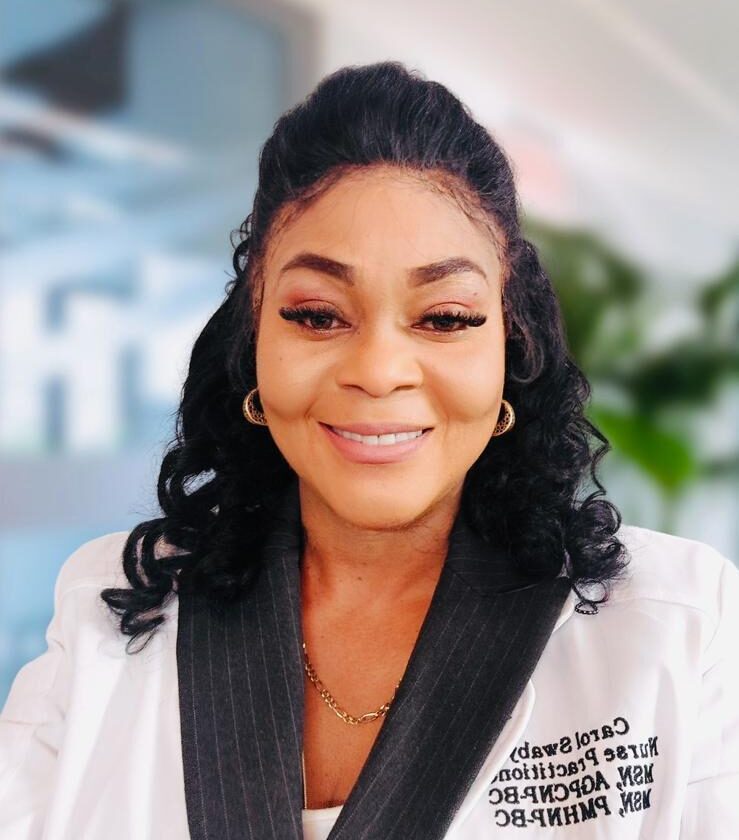
Talk Therapist Carol Swaby

Clinical Psychologist

Meet the Cognitive Behavioral Therapists

Dr. Carol Swaby provides compassionate and supportive care for individuals experiencing eating disorders. Each patient receives a comprehensive evaluation to understand their emotional challenges, eating behaviors, and personal health goals.

Based on this evaluation, personalized treatment plans are developed to support long-term recovery and healthier lifestyle habits.

Therapy Methods Used For ADHD

Cognitive Behavioral Therapy (CBT)

Cognitive Behavioral Therapy helps individuals identify unhealthy thought patterns related to body image and food. Through CBT techniques, patients learn healthier ways to manage emotions and develop balanced eating habits.

Talk Therapy

Talk therapy provides a supportive environment where individuals can discuss emotional challenges and learn coping strategies that promote healthier relationships with food and self-image.

Have more any questions?

One morning, when Gregor Samsa woke will from troubled dreams, he found il himself brown geting questions your.

FAQ's

What Causes Eating Disorders?

Eating disorders may develop due to a combination of psychological, emotional, social, and biological factors.

Yes. With professional treatment and emotional support, many individuals recover and develop healthier eating patterns.

Yes. Eating disorders are often associated with conditions such as anxiety, depression, or emotional stress.

Online treatment allows individuals to receive professional guidance and therapy while maintaining privacy and convenience.

You can schedule a consultation through the website’s online booking system and begin your treatment journey.